Calluses & Corns Treatment
4.5/5
From 9550+ Patients
45+
Experienced Providers
30+
Locations Across Florida
About Calluses and Corns
What is it?
What causes it?
- A thick, rough area of skin
- A hardened, raised bump
- Tenderness or pain under your skin
- Flaky, dry, or waxy skin
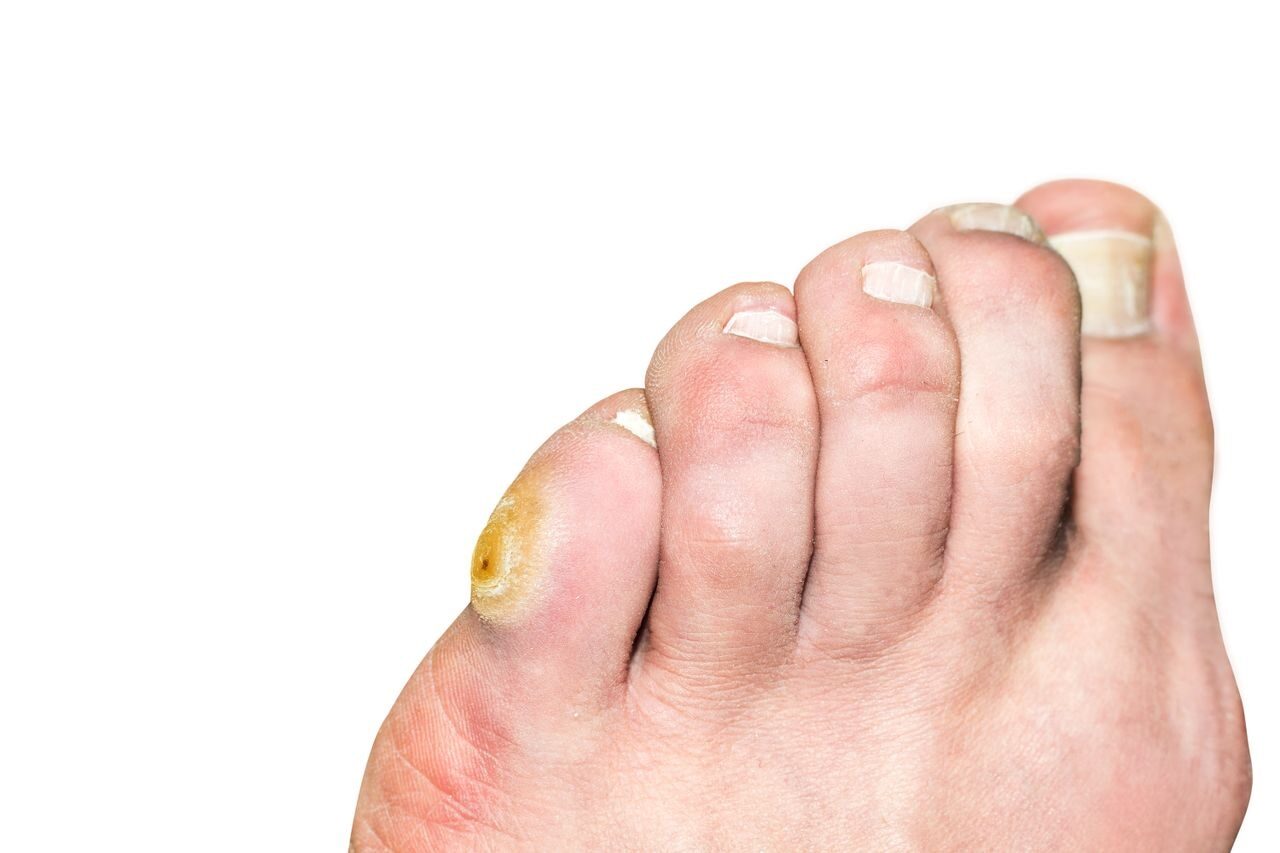
- Corns are smaller than calluses and have a hard center surrounded by inflamed skin. Corns tend to develop on parts of your feet that don’t bear weight, such as the tops and sides of your toes and even between your toes. They can also be found in weight-bearing areas. Corns can be painful when pressed.
- Calluses are rarely painful. They usually develop on the soles of your feet, especially under the heels or balls, on your palms, or on your knees. Calluses vary in size and shape and are often larger than corns.
- Wearing ill-fitting shoes. Tight shoes and high heels can compress areas of your feet. When footwear is too loose, your foot may repeatedly slide and rub against the shoe. Your foot may also rub against a seam or stitch inside the shoe.
- Skipping socks. Wearing shoes and sandals without socks can cause friction on your feet. Socks that don’t fit properly also can be a problem.
- Playing instruments or using hand tools. Calluses on your hands may result from the repeated pressure of playing instruments, using hand tools, or even writing.
Common treatments?
- Trimming away excess skin. Your doctor can pare down thickened skin or trim a large corn with a scalpel, usually during an office visit. Don’t try this yourself because it could lead to an infection.
- Callus-removing medication. Your doctor may also apply a patch containing 40 percent salicylic acid (Clear Away, MediPlast, others). Such patches are available without a prescription. Your doctor will let you know how often you need to replace this patch. He or she may recommend that you use a pumice stone, nail file or emery board to smooth away dead skin before applying a new patch. You can also get a prescription for salicylic acid in gel form to apply on larger areas.
- Shoe inserts. If you have an underlying foot deformity, your doctor may prescribe custom-made padded shoe inserts (orthotics) to prevent recurring corns or calluses.
- Surgery. In rare instances, your doctor may recommend surgery to correct the alignment of a bone causing friction.
Our approach & expertise
Our practice has skilled dermatologic experts who have the experience and knowledge to provide effective solutions for your particular needs and goals. Our focus on you as a person is what makes us different from others, and we’ll be with you each step of the way with empathy, advice, and support. Healthy skin is our passion. Contact us today if you have calluses or corns so that we can help you deal with this condition. We’re here for you at Skin and Cancer Associates, ready to help with anything skin-related.
Not sure if Calluses & Corns Treatment is right for you?
Schedule a consultation with one of our board-certified dermatologists to discuss your options
Why Choose Skin & Cancer Associates for Calluses & Corns Treatment ?
- 80+ board vertified dermatologists and specialists
- Decades of experience treating Calluses & Corns Treatment
- Personalized treatment plans for all skin types
- 30+ convenient Florida Locations
- Advanced technology
- Most major insurance plans accepted
Does Insurance Cover Calluses & Corns Treatment ?
We accept most major insurance plans, including Medicare. Our team will verify benefits before your visit
Find Calluses & Corns Treatment Near You In Florida
With 30+ locations across South and Central Florida, expert care for Calluses & Corns Treatment is close to home

Connect With Us

© 2025 Skin and Cancer Associates and The Center for Cosmetic Enhancement. All Rights Reserved. | Sitemap | Privacy Policy | Notice of Privacy Practices | Terms of Service